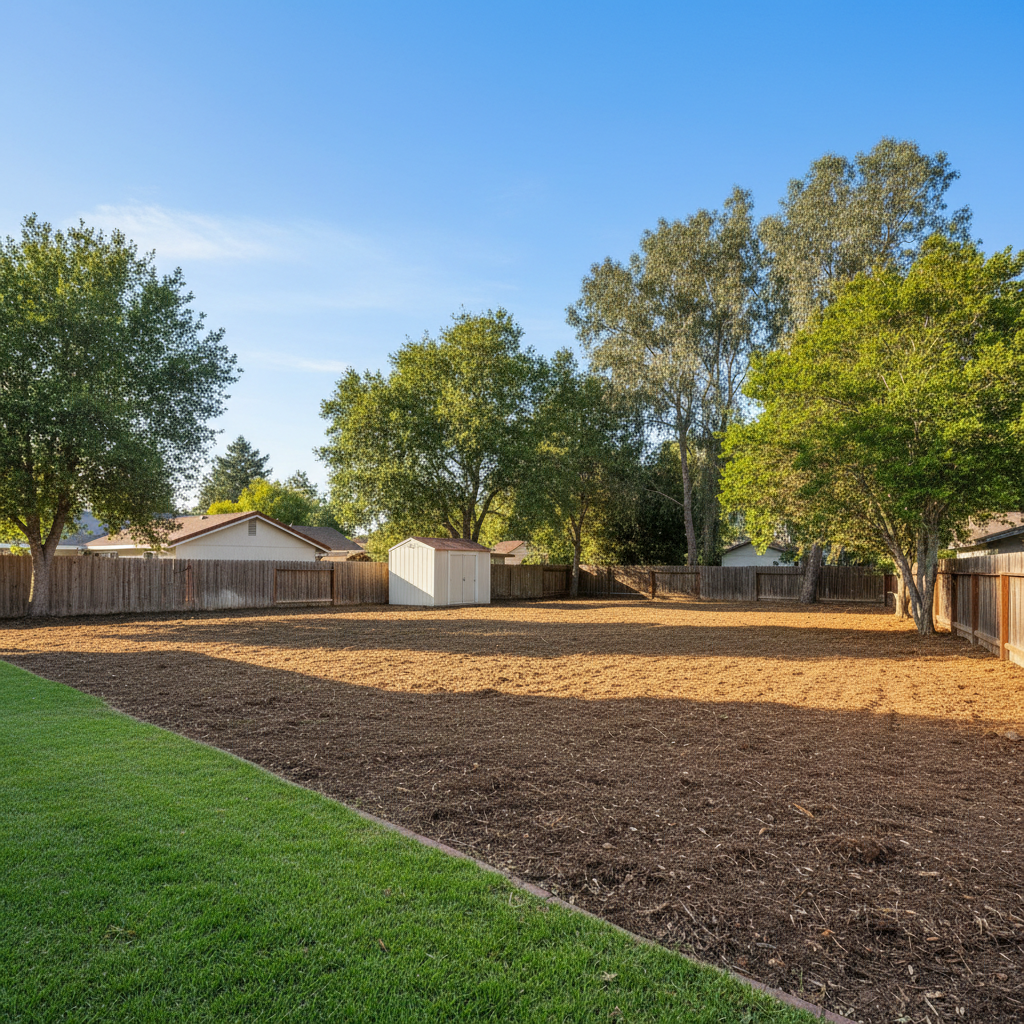
You finally got that overgrown lot cleared out, right? Maybe it was a wildfire hazard waiting to happen, or you just wanted to reclaim some usable space. Whatever the reason, that initial lot clearing is a big job. But here's the thing: it's not a one-and-done deal. Just like anything else around your property, if you want it to stay clear and useful, you've gotta put in some work. Otherwise, you'll be back to square one faster than you think.
Extending the Life of Your Lot Clearing
When we talk about extending the life of lot clearing, we're really talking about preventing regrowth. The goal isn't just to cut things down, it's to keep them down. A big part of this comes down to how the initial clearing was done. If it was just a quick brush-hog job, you're going to see things pop back up quicker than if stumps were ground and roots were properly addressed. That's why we at San Leandro Tree Service always emphasize thoroughness from the start.
After the initial clear, consider what you want the land for. If you're planning to build, you'll be doing further grading and probably laying down hardscaping, which naturally suppresses regrowth. If it's going to be a garden or lawn, you'll be actively managing the soil. But if it's just meant to be open, undeveloped space, then you need to think about barriers. Things like laying down a thick layer of wood chips or even heavy-duty landscape fabric can make a huge difference. These block sunlight from reaching dormant seeds and new sprouts. Just make sure the chips are deep enough – we're talking 4-6 inches, not just a dusting.
What Regular Maintenance Looks Like
Okay, so you've got your cleared lot. What's the routine? It's pretty straightforward, but it needs to be consistent. Think of it like weeding a garden, but on a bigger scale.
- Walk the property regularly: Especially after a good rain, you'll start to see new growth. Catch these little guys when they're small. It's much easier to pull a seedling than to chop down a sapling.
- Targeted weeding and brush removal: This is your main task. Keep an eye out for invasive species that love our temperate San Leandro climate, like Arundo donax (giant reed) or various types of thistles. They can take over fast.
- Mowing or string trimming: If you have larger areas of grass or smaller weeds, a good mow or trim will keep them in check. This is especially important for fire prevention during our dry summers. Keeping fuel loads low is critical, especially for properties backing up to the hills or open space near Lake Chabot.
- Check for erosion: With vegetation removed, the soil is more exposed. Heavy rains, especially after a long dry spell, can cause erosion. Look for ruts or channels forming and address them quickly. You might need to add some straw waddles or even plant some ground cover if erosion becomes a persistent issue.
The key here is consistency. A little bit of work every month or two is far better than letting it go for six months and then facing a massive job again.
Warning Signs of Problems
How do you know if your maintenance isn't cutting it? The signs are usually pretty obvious:
- Rapid regrowth: If you're seeing significant new growth – not just a few weeds, but actual saplings or dense patches of brush – within a few weeks of your last maintenance, you've got a problem. This often means the initial clearing wasn't thorough enough, or your follow-up isn't frequent enough.
- Invasive species taking hold: Certain plants, once established, are incredibly difficult to get rid of. If you spot a patch of something you don't recognize, or something that's spreading aggressively, address it immediately.
- Erosion issues: As I mentioned, ruts and channels are a big red flag. If you see soil washing away, that's not just an aesthetic problem; it can undermine structures or create drainage issues on your property.
- Pest infestations: Dense regrowth can provide shelter for rodents, snakes, and other pests you don't want near your home. If you notice an uptick in these critters, it might be time to clear things out again.
When to Call a Professional
Look, not everyone has the time, the tools, or frankly, the desire to tackle serious lot maintenance. That's where we come in. You should definitely call a professional like San Leandro Tree Service if:
- The regrowth is too much for you to handle: If it's gotten away from you and you're looking at a jungle again, don't risk injury or waste your weekend. We've got the heavy equipment and the crew to get it done efficiently.
- You're dealing with large stumps or extensive root systems: These require specialized equipment like stump grinders. Trying to dig them out by hand is a nightmare.
- You're concerned about specific invasive plants: Some invasives require specific removal techniques or even herbicides to prevent them from coming back. A pro can identify them and treat them effectively.
- There are large trees or significant brush near power lines or structures: This is a safety issue. Always call in experts for anything that could be dangerous.
- You need advice on long-term solutions: If you're constantly battling regrowth, we can help you figure out a more sustainable plan, whether that's recommending specific ground covers or discussing different clearing methods.
Keeping a cleared lot clear isn't a passive activity, especially with our fertile East Bay soils. But with a little attention and knowing when to call for backup, you can maintain that open space you worked so hard to create.