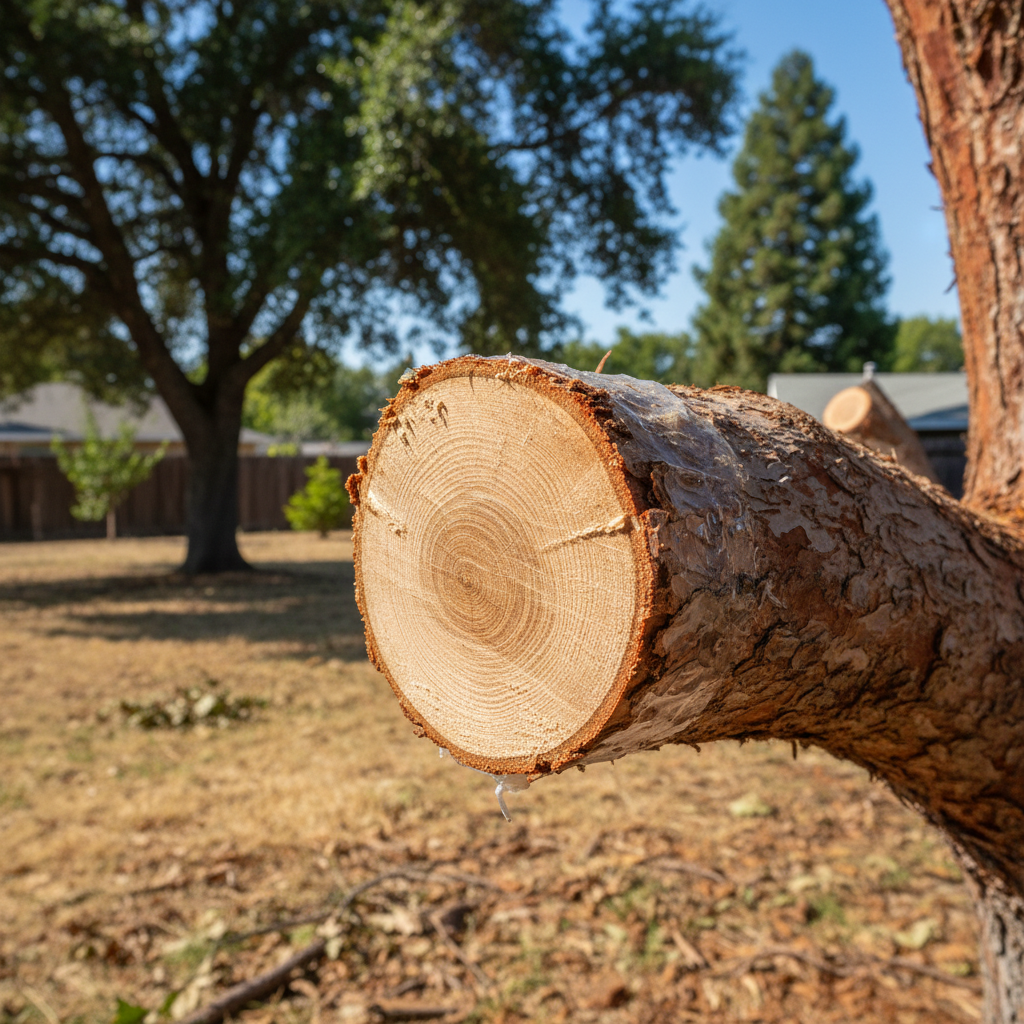
So, you're looking at that tree in your yard and thinking it could use a trim, huh? Good on you for paying attention to your trees. Proper pruning isn't just about making a tree look neat; it's vital for its health, safety, and even how much fruit it produces. But before you grab the clippers, let's talk about what you can realistically do yourself and when you absolutely need to step back and call in the pros.
Before You Even Touch a Branch
First things first, know your tree. Different trees have different needs. Are we talking about a young fruit tree, an old oak, or something in between? What's the goal here? Are you removing dead branches, shaping it, or trying to improve light penetration to your lawn? Knowing your objective helps a lot.
Timing is huge. For most deciduous trees, late winter or early spring, when they're dormant, is ideal. It's before new growth starts, so you can see the tree's structure clearly, and it minimizes stress. Flowering trees are a bit different; you usually prune those right after they finish blooming. If you prune them too early, you might cut off all the flower buds for the season. Evergreen trees, like those Monterey pines you see all over the hills near Lake Chabot, can often be pruned any time of year, but late winter to early spring is still a good bet.
Tool check! You'll need sharp, clean tools. Hand pruners for small stuff (up to about 3/4 inch), loppers for branches up to 1.5 inches, and a pruning saw for anything bigger. Dull tools tear the wood, which invites disease. Clean them with rubbing alcohol between cuts, especially if you're working on a tree that looks a little sickly. You don't want to spread anything around.
What You Can (Probably) Do Yourself
For the average homeowner, DIY pruning should be limited to small branches and easily accessible areas. Think about what you can reach safely from the ground or with a sturdy, short ladder. Here's what I generally tell folks:
- Dead or diseased branches: If you see a branch that's clearly dead (no leaves, brittle, or discolored) or looks diseased, and it's small enough to reach, go for it. Cut it back to healthy wood or to the branch collar.
- Suckers and water sprouts: These are those fast-growing, vertical shoots that pop up from the base of the tree or along branches. They're usually weak and don't contribute much. Snip 'em off.
- Small crossing branches: If two small branches are rubbing together, one of them needs to go. That rubbing creates wounds, and wounds are entry points for pests and diseases.
- Light shaping on young trees: If you've got a young tree, you can do some light shaping to encourage good structure. Remove branches that are growing inward or competing with a main leader.
Always make clean cuts just outside the branch collar – that slightly swollen area where the branch meets the trunk or a larger branch. Don't leave stubs, and don't cut flush with the trunk. The branch collar helps the tree heal.
When It's Time to Call San Leandro Tree Service
Look, I'm all for saving a buck, but some jobs are just too risky or too complex for a DIY approach. This isn't just about making money for San Leandro Tree Service; it's about your safety and the long-term health of your tree. Here's when you absolutely need to call a professional:
- Any branch that requires a ladder taller than you're comfortable with: Seriously, falls from ladders are no joke. If you have to climb high or use a chainsaw while on a ladder, you're asking for trouble.
- Large branches: Anything over a couple of inches in diameter, especially if it's heavy or awkwardly placed. Large cuts need to be done precisely to prevent tearing and damage to the tree. Plus, dropping a big branch can damage property or, worse, injure someone.
- Branches near power lines: This is a massive safety hazard. Don't even think about it. Call PG&E first, then call us.
- Trees that are too close to your house or other structures: If a branch falling could hit your roof, fence, or your neighbor's car, leave it to someone with the right equipment and insurance.
- Significant structural pruning: If your tree looks unbalanced, has major deadwood high up, or needs a complete overhaul to improve its structure, that's a job for an arborist. We understand tree biology and how to make cuts that promote healthy growth, not just hack away.
- Any tree that looks sick or infested: If you're not sure what's going on, an arborist can diagnose the problem and prune in a way that minimizes stress and promotes recovery.
After the Pruning Is Done
Once you've made your cuts, or we have, there's not much you need to do immediately. Don't put any wound paint or tar on the cuts; trees heal better on their own. Just keep an eye on the tree. Look for signs of stress, disease, or pests. Make sure it's getting enough water, especially during dry spells, which we get plenty of here in the East Bay. A little mulch around the base (but not touching the trunk) can help retain moisture and regulate soil temperature.
Pruning is an ongoing thing, not a one-and-done deal. Regular, light pruning is much better for a tree than letting it get overgrown and then doing a drastic cut. By understanding what you can handle and when to call in the experts, you'll keep your San Leandro trees healthy and beautiful for years to come.