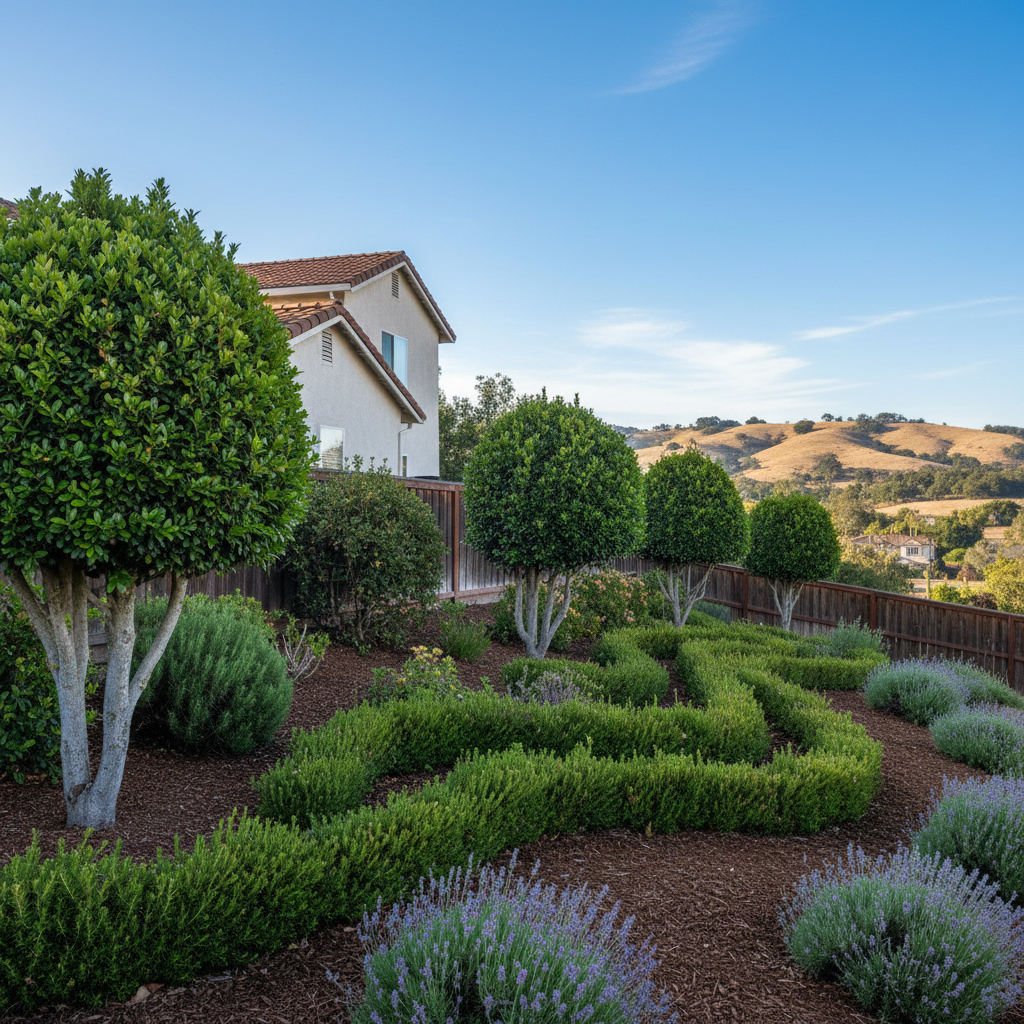
When's the best time to trim those shrubs and bushes around your San Leandro home? That's a question I get a lot, and honestly, there isn't one perfect answer for every single plant. But some times are definitely better than others, and understanding why really helps your yard stay healthy and look great.
Understanding the Seasons for Trimming
For most deciduous shrubs – you know, the ones that drop their leaves in winter – the dormant season is your best bet. We're talking late fall after the leaves are gone, or late winter before new growth really gets going. Here in San Leandro, that usually means sometime between November and February. Why then? Well, the plant isn't actively growing, so pruning stresses it less. Plus, you can see the plant's structure much better without all the foliage in the way, which helps you make smarter cuts.
Evergreen shrubs are a little different. You generally want to prune them after they've finished their main burst of new growth, typically in late spring or early summer. If you trim too late in the fall, those fresh cuts might not harden off before a cold snap. Our winters here are pretty mild, sure, but you still don't want to encourage a lot of tender new growth right before cooler weather hits.
Flowering shrubs? That's yet another category. If it flowers on 'old wood' (meaning the buds formed on last year's growth), you should prune it right after it finishes blooming. Think hydrangeas, lilacs, some spireas. If it flowers on 'new wood' (buds form on the current season's growth), you prune it in late winter or early spring before it starts growing. Roses are a classic example of this. Knowing what kind of wood your plant flowers on is key, otherwise you might accidentally cut off all your blooms for the year!
Weather Watch: When to Hold Off on Trimming
You might think any day is a good day for trimming, but I've seen enough to tell you that weather really plays a role. Here's what I consider:
- Rainy Days: It's not just about us getting wet. Wet conditions can spread plant diseases more easily, especially if you're making cuts. And wet branches? They can be heavier and harder to handle safely.
- Extreme Heat: Trimming during a heatwave, like those we sometimes get in August or September when the Diablo winds kick up, can really stress plants out. Those fresh cuts are open wounds, after all, and intense sun can scorch the exposed inner parts of the plant. It's truly better to wait for cooler, calmer weather.
- Freezing Temperatures: While rare for us in San Leandro, if we get a cold snap with actual frost, that's definitely not the time to prune. It can damage the plant further, particularly if you're making major cuts.
Generally, a mild, dry day is ideal. That's why those late winter, early spring days we get, often after a good rain but before it gets too hot, are perfect for a lot of general maintenance trimming.
Protecting Your Investment: Year-Round Care Beyond the Trim
Trimming is just one piece of the puzzle. To really protect your shrubs and bushes and keep them looking good year after year, you've got to think about the whole picture. Here at San Leandro Tree Service, we don't just cut and run; we think about the long-term health of your plants.
- Watering: Even established shrubs need consistent water, especially during our dry summers. A good deep watering works better than frequent shallow sprinkles. If you're in one of those older San Leandro neighborhoods with clay soil, remember it holds water longer but can also get compacted, so keep an eye on drainage.
- Mulching: A good layer of organic mulch (like wood chips or shredded bark) around the base of your shrubs does wonders. It helps hold soil moisture, keeps weeds down, and moderates soil temperature. Just make sure it's not piled up against the plant's stem – leave a little breathing room there.
- Fertilization: Most established shrubs don't need a ton of fertilizer if your soil is healthy. If they're looking a bit yellow or growth is stunted, a slow-release, balanced fertilizer in spring can give them a boost. Don't overdo it, though; too much can burn roots or encourage weak, leggy growth.
- Pest and Disease Monitoring: Get out there and look at your plants once in a while! Catching pest infestations or signs of disease early makes a huge difference. Discolored leaves, sticky residue, or unusual spots are all red flags.
Ultimately, a healthy shrub or bush is a resilient one. Regular, thoughtful trimming combined with good basic care will keep your landscape looking sharp and thriving. If you're ever unsure about the best approach for a specific plant, or if you've got a big job that feels overwhelming, don't hesitate to give us a call. We're here to help you make the right decisions for your yard.