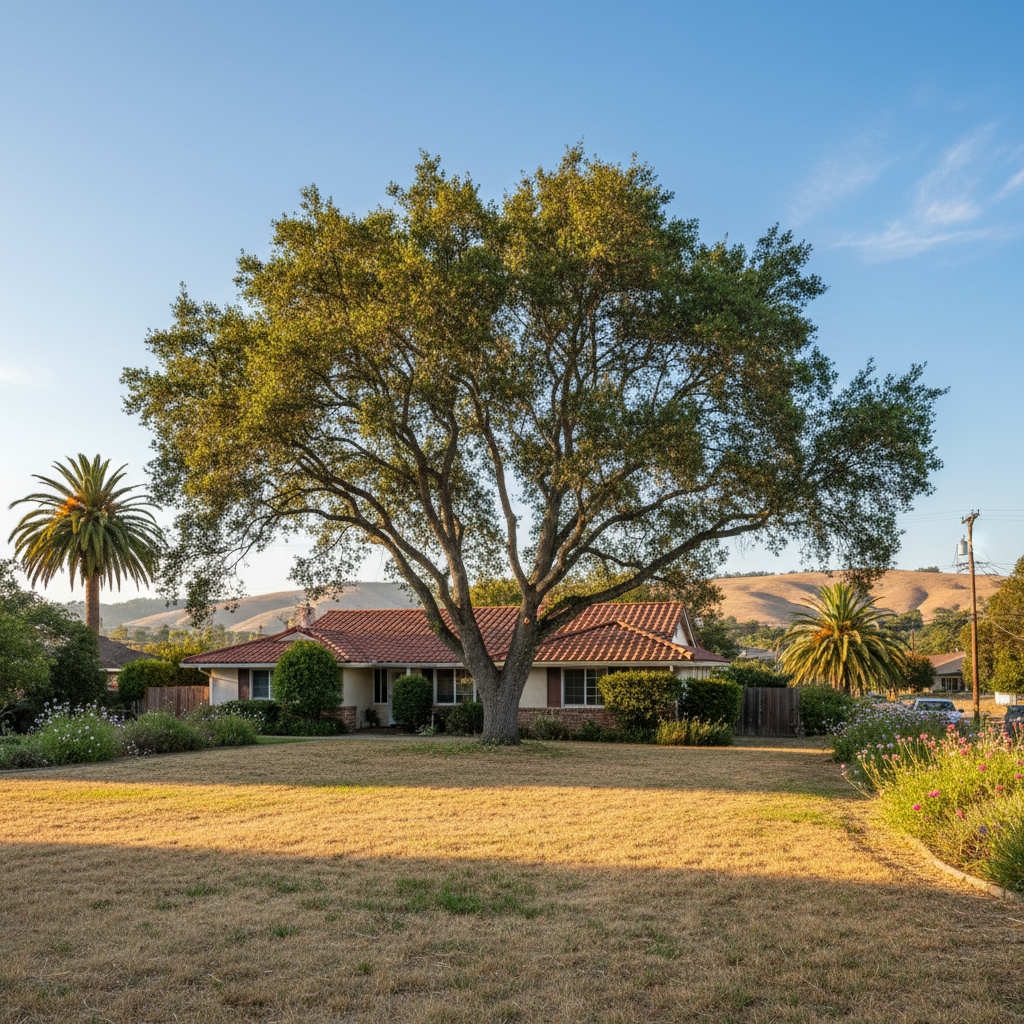
When's the best time to prune your trees here in San Leandro? It's a question I get asked all the time, and honestly, it's not a one-size-fits-all answer. Our local climate, with its dry summers and mild, wet winters, really dictates when you should be thinking about tree care. You want to protect your investment, right? So let's talk about how to keep your trees healthy and strong all year long.
Understanding San Leandro's Climate and Your Trees
Our weather patterns here in the East Bay are pretty distinct. We don't get the extreme cold snaps you see inland, but those dry, hot summers can stress trees, and our wet winters, while good for growth, can also bring high winds that test weak branches. This means timing your tree work isn't just about convenience; it's about what's best for the tree's health and your property's safety.
For most deciduous trees – that's the kind that loses its leaves in the fall – the ideal time for major pruning is during their dormant season. Think late fall, after the leaves have dropped, and through the winter, before new buds start to swell in early spring. Why then? Well, the tree isn't actively growing, so it's less stressed by cuts. You can also see the tree's structure clearly without all the leaves getting in the way, which helps us make better decisions about what to remove. Plus, it minimizes the risk of disease or insect infestation entering fresh wounds.
Winter Pruning: The Dormant Advantage
Winter is prime time for structural pruning. We're talking about removing dead, diseased, or crossing branches. It's also great for shaping the tree and improving its overall health. For example, if you've got a mature oak in your yard, maybe one of those beautiful old specimens you see in the Estudillo Estates neighborhood, winter is when you'd want to thin out its canopy to improve air circulation and light penetration. This helps prevent fungal issues once spring rolls around.
However, you've got to watch the weather. We're not going to be out there climbing trees in a torrential downpour or during high wind advisories. Wet wood can be slippery and dangerous, and high winds make any aerial work risky. Safety is always my top priority, for my crew and for your property. So, while winter is good, we need those clear, calm days.
Spring and Summer: Lighter Touches Only
Once spring hits and trees start leafing out, you generally want to hold off on heavy pruning. This is when trees are putting a lot of energy into new growth, flowers, and fruit. Major cuts during this period can stress the tree, reduce its vigor, and even make it more susceptible to pests and diseases. The exception here is often for fruit trees, where specific summer pruning techniques can encourage better fruit production or manage growth.
Sometimes, though, you can't wait. If you have a broken branch after a spring storm, or a branch that's suddenly rubbing against your roof, that's an emergency. We'll take care of those right away, regardless of the season. But for routine maintenance, try to plan ahead.
Fall Prep: Getting Ready for Winter
As summer fades and fall colors start to show, it's a good time for a different kind of tree assessment. This is when you can identify branches that might be weak or overextended, especially if they're hanging over your house or power lines. Those branches, loaded with leaves, can become a real hazard once our winter rains and winds pick up. Getting them trimmed before the storms hit can save you a lot of headache and expense later.
It's also a good time to clear out any deadwood that might have accumulated over the summer. Dead branches are weak branches, and they're just waiting for a strong gust of wind to come down. A quick check around your property in the fall can help you spot potential problems before they become actual problems.
Protecting Your Tree Investment Year-Round
Beyond just pruning, there are a few other things you can do to keep your trees healthy:
- Watering: Even mature trees need water, especially during those long, dry San Leandro summers. Deep, infrequent watering is better than shallow, frequent watering.
- Mulching: A good layer of mulch around the base of your trees helps retain soil moisture, regulate soil temperature, and suppresses weeds. Just make sure it's not piled up against the trunk – keep it a few inches away.
- Regular Check-ups: Take a walk around your yard once a month. Look for anything unusual – strange growths, discolored leaves, insect activity, or cracks in the bark. Catching issues early can make a big difference.
- Professional Eyes: Sometimes, you just need an expert opinion. If you're unsure about a tree's health or what kind of pruning it needs, give us a call at San Leandro Tree Service. We're happy to come out, take a look, and give you an honest assessment.
Ultimately, taking care of your trees is about being proactive and understanding their needs throughout the year. A little planning goes a long way in keeping your trees beautiful, healthy, and safe for years to come.